
The Childhood Psychopath: Bad Seed or Bad Parents? by Katherine Ramsland — Bad Seed: The Fledgling Psychopath — Crime Library
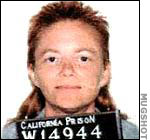
In 1979, sixteen-year-old Brenda Spencer received a rifle for her birthday. She used it to shoot kids at an elementary school near her San Diego home, wounding nine and killing two. A reporter asked her later why she had done it. Her answer: “I don’t like Mondays. This livens up the day.”
In 1993, two bodies were found on a country road in Ellis County, Texas. One was male, one female. The boy, 14, had been shot, but the 13-year-old girl had been stripped, raped, and dismembered. Her head and hands were missing. The killer turned out to be Jason Massey, who had decided he was going to become the worst serial killer that Texas had ever seen. He tortured animals, stalked another young woman, and revered killers like Ted Bundy, Charles Manson, and Henry Lee Lucas. He was nine years old when he killed his first cat. He added dozens more over the years, along with dogs and even six cows. He had a long list of potential victims and his diaries were filled with fantasies of rape, torture, and cannibalism of female victims. He was a loner who believed he served a “master” who gave him knowledge and power. He was obsessed with bringing girls under his control and having their dead bodies in his possession.
Nine-year-old Jeffrey Bailey, Jr. pushed a three-year-old friend into the deep part of a motel pool in Florida in 1986. He wanted to see someone drown. As the boy sank to the bottom, Jeffrey pulled up a chair to watch. When it was finished, he went home. When he was questioned, he was more engaged in being the center of attention than in any kind of remorse for what he had done. About the murder he was nonchalant.
On April 13, 2000, three first-graders in north-western Indiana were apprehended in the act of plotting to kill a classmate. They had formed a “hate” club and were trying to recruit other girls to join them in the planned slaughter. They were not yet sure whether they would shoot their target victim, stab her with a butcher knife or hang her. Their plan was interrupted, but another victim in similar circumstances was not so lucky.
Jessica Holtmeyer, 16, hanged a learning-disabled girl in Pennsylvania and then bashed in her face with a rock. Afterward, a witness reported Holtmeyer to say that she wanted to cut the girl up and keep one of her fingers as a souvenir.
These children have a character disturbance. They devalue others and lack a sense of morality. Such incidents as those described above have made it increasingly clear that psychopathy is not exclusively an adult manifestation. In fact, some child development experts believe that childhood psychopathy is increasing at an alarming rate. In the research, these children are regarded as “fledgling psychopaths” who will become increasingly more dangerous as they get older. They might not become killers but they will learn how to manipulate, deceive and exploit others for their own gain. It is generally believed that they have failed to develop affectional bonds that allow them to empathize with another’s pain. What they have developed are traits of arrogance, dishonesty, narcissism, shamelessness, and callousness.
Through the years, the diagnosis of psychopathy in adults has gone through a confusing conceptual evolution. Psychopaths have been called sociopaths, but they’ve also been distinguished as a separate and distinct group. Another complicating factor is the development of the diagnosis of Antisocial Personality Disorder, which overlaps with many traits of a psychopath but also has key differences. It is not surprising, then, that juvenile psychopathy, too, has been poorly defined, often confused with the various youthful conduct disorders.
Given society’s interest in diminishing the crime rate among the most chronically recidivating offenders — psychopaths — it is important to determine if childhood psychopathy is a clearly measurable manifestation. The salient question is whether we can single out such children and treat them before they become truly dangerous.
The Childhood Psychopath: Bad Seed or Bad Parents?
Born or Made? Theories of Psychopathy
According to behavioral geneticist Dr. David Lykken, psychopaths are set apart. They differ in temperament from other children and are at greater risk for delinquency. He has looked at the statistics on juvenile crime and concludes that only a few children with antisocial tendencies were born with such a predisposition. They are fearless and probably have a weak behavioral inhibition system. However, Lykken contends that most antisocial behaviors in children are caused by poor parenting—absent fathers and inadequate mothers who fail to properly socialize their child. Perhaps the child frustrates them or perhaps their parenting skills are subnormal. Either way, the child acts out. Lykken calls these children sociopaths and he believes that we can decrease their numbers with better social skills. He does acknowledge the twin studies that support the view that criminality has a substantial heritability factor, but claims that traits like fearlessness, aggressiveness, and sensation seeking, all of which contribute to antisocial behavior, can be properly channeled toward better things. It is up to parents to do this, and where parenting fails, the child with those traits may express them through violence. In other words, in his opinion, even the child most prone to psychopathy via inherited traits can be guided through good parenting toward using those traits in prosocial ways.
Some brain studies suggest that psychopaths have abnormal brain activities. They make certain connections more slowly than other children, show less fear of punishment, and seem to need to do things that excite their nervous system, such as thrill-seeking behaviors.
A few of the findings include:
- adolescents who measured high on the Psychopathy Screening Device showed reduced electrodermal skin responses to distress cues in slides shown to them, indicative of a subnormal response
- they also showed a decreased response to fear imagery and to threats
- psychopathy-related personality traits correlated with difficulty in processing emotional information
- psychopaths over-respond to distracters, showing reduced ability to focus and cognitive deficits in left hemisphere activation
- psychopaths speak more quietly than nonpsychopaths and tend not to differentiate between neutral and affective words, perhaps meaning that they are insensitive to emotional connotations in language
- psychopathic adolescents respond more strongly to reward than nonpsychopaths, sustaining reward-producing activities for a longer period of time
To try to determine whether a psychopath is somehow hard-wired or is created by family and environment, it’s instructive to look at the details of individual cases.
A good case study is that of Gary Gilmore, who murdered two young men in cold blood and then refused to appeal his death sentence. He was executed in Utah in 1977. Mikal Gilmore, Gary’s younger brother, did an extensive search of his family’s history to try to determine where things went wrong—particularly since of four brothers, Gary was the only outwardly violent one. Mikal traces family secrets, extreme emotional neglect, religious rigidity, and bouts of physical abuse that his brothers endured back to his grandparents – both sets of which rejected the two children who grew up to become Gilmore’s parents. Mikal shows as well as any psychologist the life history and possible development of an antisocial personality.
He begins his memoir by mentioning that all of his family, save he and his older brother, are dead. Of five children, one died as an infant, one of complications from being viciously stabbed, one by execution, and the other living brother simply wandered away. The reader immediately knows that severe dysfunction is at the heart of this family, so it is not surprising to learn that the father, Frank Gilmore Sr., was a con man, a gypsy, an alcoholic, a brutal autocrat, and an abusive husband and father.
Frank had many dark secrets, many of them criminal, and Bessie was a Mormon, outcast from her family. She accompanied Frank on his wild chases across the country as he settled here and there just long enough to run a con game and then leave. Bessie heard from Frank’s eccentric, spiritualist and unloving mother that Frank had married at least half a dozen times and had families scattered in many places. He had no use for his children.
He often disappeared without explanation for long stretches of time, although he sometimes took Bessie with him, even when she had three children in tow. Frank also drank heavily and vented his considerable rage on his wife. Shortly after Gary was born, Frank decided that Gary was not his son, but the progeny of a son of his from a previous marriage whom Bessie knew. It seemed a way for him to detach from his son the way his own father had detached from him. There was little chance that Frank would feel much affection for this boy.
When Frank’s sons got older, he began to whip them with a belt, much more severely than their various infractions merited. The boys soon learned that no matter what they said or did, their father simply wanted to brutalize them, all the while insisting that they love him. Their mother would not protect them. In fact, she let them know that the ideal family was childless. Eventually Bessie began to beat her children as she was being beaten.
Gary reacted with a rebellious streak. Whereas he was smart and artistic, he never exploited the opportunities to move in a positive direction. Instead, he acted out in school, tested his courage by running in front of trains, exploited and violated friends, hung out with an antisocial crowd of boys, and engaged in pretty crimes, such as burglary, auto theft, and substance abuse. This landed him in reform school, where he became more sophisticated in the criminal attitude. By the age of sixteen, Gary was in jail.
Even there, Gary acted out and the few times he got out, he committed a crime almost immediately that sent him back. One prison psychiatrist diagnosed him as “antisocial personality with intermittent psychotic decompensation.” Another indicated that Gary wanted to die, specifically to bleed to death.
He finally turned to murder. In July of 1976, just after being paroled, on two consecutive nights, he killed two men in cold blood. Had he not been caught, he probably would have continued to kill. His final words seemed to affirm his terrible legacy: “There will always be a father.”
The question remains: Was he a born psychopath or a normal child turned into a sociopathic individual? Why did his brothers turn out differently?
Mikal Gilmore thought that his family legacy was one of negation, the nullification of self. Each child suffered in his own way. Gary turned it outward to negate others as a way to eventually negate himself: His two consecutive murders appeared to be without motive. He had just been released from prison early because a family member had stepped forward to assist him. Yet he blew his chance. When he was convicted and sentenced to die, he insisted there be no appeal. He wanted it to end.
Psychologist Lonnie Athens takes the approach that antisocial behavior results from a series of evolutionary stages. People start off benign, he believes, and violence is therefore preventable. In an attempt to discover why some people in a crime-vulnerable environment turn violent while others do not, he interviewed numerous violent criminals to find out what they had in common. He came up with the idea that people become violent through a process that he calls violentization, which involves four stages: brutalization and subjugation, belligerency, violent coaching, and criminal activity (virulency). First, this person is a victim of violence and feels powerless to avoid it. Then he is taught how and when to become violent and to profit from it. Then he acts on that. If a person from a violent environment does not become violent, it is because some part of the process is missing.
It seems fairly clear that Gary was formed toward violence and lack of empathy by the instability and brutalization of his family life. He fits Athens’ model perfectly.
In contrast, we can look at the case of a man who might clearly be said to have developed an absence of empathy at an early age, without violence evident. Nothing in Athens’ stages of evolution seems to apply.
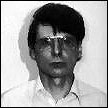
(Metropolitan Police)
That man was British serial killer Dennis Nilsen, who took fifteen men home to his flat, and while they passed out from alcohol or slept, strangled them. He had no feelings of hatred or aggression toward them, and some he even thought he was helping. While describing to the police how he had killed them and kept their corpses in his closets or under the floorboards until they finally had to be dissected and discarded, he showed no remorse. His confession, which lasted thirty hours, was without emotion.
He was born in Fraserburgh, Scotland, on November 23, 1945 the only child of Betty and Olav Nilsen. It was an unhappy marriage, full of conflict, which ended after seven years. Betty and Dennis, along with his two siblings, were already living in the home of Betty’s parents, since her husband had never provided otherwise, so they just stayed where they were.
Dennis never exhibited rage, cruelty to animals or other children, or any type of aggressiveness typically associated with conduct-disordered boys who become killers later in life. In fact, he was horrified by cruelties that he witnessed by others. Nevertheless, he was drawn to death and he soon became aroused at the sight of his own body lying still in front of a mirror.
Growing up a loner, neglected by an overburdened mother, Dennis fell into a life of casual pick-ups. He had a short-lived relationship that eventually fell apart, and just over a year later, the killings began. Dennis, then 33, met a young man in the pub and invited him home. They continued to drink and eventually crawled into bed. Nilsen woke up at dawn and realized that his new friend was now going to leave. He strangled and then drowned the man. He thought the corpse was beautiful, so he kept it with him in bed for a while and then put it beneath the floorboards. At no time did he feel remorse over what he had done. There was no sense of the other man as a person in his own right. Nor had Nilsen acted out of hatred or any aggressive feelings. He even took a bath in the same water where he had washed the corpse.
This pattern continued until Dennis was caught flushing body parts down a sewer. Throughout his spree, the only thing that seemed to disturb him about what he was doing was the problem of disposal. He didn’t mind cutting the bodies up or boiling the flesh from their heads, or even having them around for a while. It was trickier to get rid of them when his apartment got a little too crowded. In prison, he continued to exhibit no idea of the enormity of his crimes against others.
So we have two cases: one man devalues all human life, including his own, and reacts out of rage and despair. He has no feeling for his victims. The other also has no sense of the value of human life, but his acts are not driven by strong emotion.
Which of them is the true psychopath? That is, for which of them might a good home life have made a difference? Perhaps they both had a propensity toward violence, but clearly Gilmore was acting from rage and resistance.
A better understanding of how the concept of psychopathy evolved can help to answer this question.
* * * *
In 1941, Hervey Cleckley published The Mask of Sanity, a groundbreaking approach to psychopathy. In this book he outlined a brief history of the concept.
Over two centuries ago, a French physician had a case that defied known categories. The patient showed no remorse or personal restraint. He was classified as manie sans delire (madness without delirium). This was an early attempt to understand the psychopath. It would later be called moral insanity—the ability to reason despite behavior that looks insane.
By the early part of this century, “constitutional psychopathic inferiority” was a catchall term for most mental and physical deviance and defect. Then brain damage and physiological conditions were separated out, but a diverse body of problems was still grouped under one heading. The next step was to remove “constitutional” from the classification, leaving the unworkably broad “psychopathic personality.” For the percentage of people not psychotic or psychoneurotic, but who were unable to lead normal lives and who caused distress in the community, the most common designation was psychopath. This would change with Cleckley’s work.
Coming up with sixteen distinct clinical criteria for assessing psychopathy, Cleckley described psychopaths as hot-headed, manipulative, irresponsible, self-centered, shallow, lacking in empathy or anxiety, and likely to commit more types of crimes than other offenders. They are also more violent, more likely to recidivate, and less likely to respond to treatment. Cleckley made a valuable contribution, but as the concept of psychopathy continued to evolve, the emphasis in assessment moved toward specific behavioral manifestations. Many psychopaths slipped through the diagnostic cracks.
In 1952, in the official psychiatric nomenclature, the word “psychopath” was officially replaced with “sociopathic personality,” and eventually these labels came to be used interchangeably under the heading of “personality disorder.” Then with the second edition of the Diagnostic and Statistical Manual of Mental Disorders (DSM-II) in 1968, “sociopathic personality” yielded to “personality disorder, antisocial type.” Those persons exhibiting an antisocial personality were described as unsocialized, impulsive, guiltless, selfish, callous, and failing to learn from experience. However, there were no criteria for making the term workable for standardized assessments.
During the seventies, many researchers tried to remedy this, such as Robert Hare’s attempts in Canada to devise a rating scale based on clinical accounts. Others used scales derived from instruments like the Minnesota Multiphasic Personality Inventory. Yet it was still difficult to generate a body of research findings that could be replicated.
The publication of DSM-III shifted things. It introduced a list of explicit criteria for psychopathy as Antisocial Personality Disorder (APD or ASPD). The criteria emphasized the violation of social norms, because behavior is easier to assess than personality traits. Accordingly, APD was characterized by:
A. pervasive pattern of disregard for and violation of the rights of others occurring since age 15 years, as indicated by three (or more) of the following:
- failure to conform to social norms with respect to lawful behaviors as indicated by repeatedly performing acts that are grounds for arrest
- deceitfulness, as indicated by repeated lying, use of aliases, or conning others for personal profit or pleasure
- impulsivity or failure to plan ahead
- irritability and aggressiveness, as indicated by repeated physical fights or assaults
- reckless disregard for safety of self or others
- consistent irresponsibility, as indicated by repeated failure to sustain consistent work behavior or honor financial obligations
- lack of remorse, as indicated by being indifferent to or rationalizing having hurt, mistreated, or stolen from another
B. The individual is at least age 18 years.
C. There is evidence of Conduct Disorder with
onset before age 15 years.
D. The occurrence of antisocial behavior is not
exclusively during the course of schizophrenia
or a manic episode.
There was now a list of explicit criteria for what many clinicians would view as the term for psychopathy. However, APD lacked congruence with the traditional concept of psychopathy, making it unworkable for those trying to do specific research. Robert Hare points out that, “in forensic populations, diagnoses of APD have far less utility with respect to treatment outcome, institutional adjustment, and predictions of post-release behavior than do careful assessments of psychopathy based on the traditional use of inferred personality traits.” While around ninety percent of psychopaths fit the criteria for APD, the vast majority of people with APD are not psychopaths. A finer distinction needed to be made.
In 1970, Otto Kernberg pointed out that the antisocial personality was fundamentally narcissistic and without morality. He called it “malignant narcissism,” which included a sadistic element. That self-love is central seems correct but this conception failed to go very far with clinicians who needed practical instruments.
It was Hare and his associates who made the greatest impact on assessment and treatment. In their work with a large prison population, and influenced by Cleckley’s observations, they clarified a set of diagnostic criteria that offers a practical approach, and which also influences how juvenile antecedents are identified and measured. Hare devised a list of traits and behaviors for his Psychopathy Checklist (PCL). He listed twenty-two items, each of which was to be weighted from 0 to 2 by clinicians working with potential psychopaths. The instrument, with items grouped around two factors—narcissistic personality and antisocial behavior—was tested extensively. In support of Kernberg, but refocusing APD toward personality traits, psychopathy was defined as a disorder characterized by:
- lack of remorse or empathy
- shallow emotions
- manipulativeness
- lying
- egocentricity
- glibness
- low frustration tolerance
- episodic relationships
- parasitic lifestyle
- the persistent violation of social norms
- need for stimulation
- criminal versatility
According to Hare, “Psychopathy is one of the best validated constructs in the realm of psychopathology.”
Another group of researchers used the instrument on 653 serious offenders. They noted evidence to suggest that psychopathy emerges early in life and persists into middle age. The “prototypical psychopaths” were responsible for particularly heinous offenses. They concluded that psychopathy appears to be a distinct personality disorder, with childhood behavior problems serving as good indicators—especially when they manifest at an early age. These indicators include drug abuse, theft, aggression, truancy, general problem behavior, lying, and poor educational achievement. Yet not all children who exhibit these behaviors go on to commit adult crimes, suggesting that 1) not all psychopaths are criminals, 2) some behavior changes with age, and 3) some intervention may help to redirect behavior.
Using the childhood indicators, researchers began to identify psychopaths in the noncriminal community, in support of Cleckley’s belief that many either do not commit crimes or they commit them too cleverly to be caught. It also became increasingly clear that APD, which requires criminal misconduct for diagnosis, was indeed a poor label for psychopathy.
The voluminous literature on psychopathy focused primarily on males, which oriented it toward narcissism, but those clinicians who worked with female psychopaths—as measured on the PCL—noted some significant differences. Recent estimates indicate that severe psychopathy among women is rare, about one-third of the estimated prevalence for men. Others says that for every ten male psychopaths, there is only one female. Based on some case studies, a few clinicians proposed that female psychopathy shows more traits of hysterical personality disorder than narcissism. It may be that female psychopaths are being misidentified because the criteria slant toward male manifestations.
In addition, those who were testing non-prison populations observed that children were being tested for all manner of conduct disorders as precursors to APD, but few researchers were looking hard at a concept central to the real issue of later adult pathology: childhood psychopathy.
It may be that if Nilsen and Gilmore had been tested early in life, the one who was genuinely prone toward psychopathy would have been identified. Gilmore clearly had conduct disorders, but Nilsen had something else: perhaps the kind of temperament that could be picked up on a childhood psychopathy-scoring device.
Psychopathy — mostly as APD — has been related to conduct problems in children, but there are so many overlapping conduct disorders that the concept gets muddled. Specialists realize that, given a child’s developing and changing personality, it is difficult to diagnose mental disorders among adolescents. Additionally, some common behavioral manifestations of youth, such as anger, mood instability, and defiance, match symptoms of disorders, and thus it is difficult to know when this behavior in a specific individual is a passing stage or a serious concern.
The real problem is a persistent pattern of antisocial behavior during childhood and adolescence, such as violating social rules, aggression toward animals or other children, destruction of property, deceitfulness, theft, and serious rule violations. The risk factors for repeat offenses are 50% from childhood to adolescence, and 40-75% continued from adolescence into adulthood. There are six different diagnoses used in the DSM-IV for childhood antisocial behaviors:
- (CD) – This is a vaguely-defined behavioral problem involving persistent violations of the rights of others or violation of age-appropriate social rules. More specifically, conduct disorder involves a pattern of aggressive behavior toward people or animals, destruction of property, truancy, a pattern of deceitfulness, and/or serious violations of rules at home or at school.
- Oppositional Defiant Disorder (ODD) – Such children and adolescents usually exhibit a pattern of defiant and disobedient behavior, including resistance to authority figures, albeit not as severe as CD. This includes recurrent temper problems, frequent arguments with adults, and evidence of anger and resentment. Additionally, the defiant child/adolescent will often try to annoy others.
- Disruptive Behavior Disorder Not Otherwise Specific (DBD-NOS) – This is a category for those who show ongoing CD and ODD but who fail to meet the criteria for either diagnosis.
- Adjustment Disorder: With Mixed Disturbance of Emotions and Conduct – This is an array of antisocial behaviors and emotional symptoms that set in within three months of a stressor and fail to meet the criteria of the previously mentioned disorders.
- Adjustment Disorder: With Disturbance of Conduct – This is similar to the other adjustment disorder, but with antisocial behaviors only.
- Child or Adolescent Antisocial Behavior – This category is for isolated antisocial behaviors not indicative of a mental disorder.
The DSM-IV also added Disruptive Behavior Disorder-Not Otherwise Specified (DBD-NOS), which allows clinicians to diagnose behavior problems that fail to meet criteria for CD or ODD.
If that is not sufficiently complicated, psychopathy has also been linked with Attention Deficit Hyperactive Disorder (ADHD or ADD). This diagnosis has changed somewhat over the years and new research is continuing to refine it. In many respects, it represents two separate problems, although they appear to be linked. Children may have ADHD—primarily inattention, ADHD—primarily impulsive/hyperactive behavior, or a mixed type incorporating attributes of both. Inattention is usually identified in children for whom almost anything will prove distracting. Disorganization is common and the child may lose personal items regularly. Even when spoken to directly, the child may not pay attention and will be unable to provide feedback when asked. Hyperactive children frequently get into minor difficulties in school.
It is not the case that a child diagnosed as conduct disordered will inevitably grow into an adult with APD. The relationship between these two is more complicated. As many as two-thirds stop their destructive behavior by the time they reach adulthood. Conduct Disorder may be a precondition for APD but does not predict it. Risk factors that a child displaying conduct disordered behavior will continue to behave in antisocial ways appear to be linked to 1) hyperactive and impulsive behaviors, 2) an early onset of antisocial behavior, 3) committing different types of antisocial behaviors, and 4) displaying antisocial behaviors in different settings. Age of onset seems to be paramount. In short, the relationship between APD and conduct disorders rests on an array of complicating factors. Yet some researchers have taken a different tack, identifying most of these complicating factors as manifestations of a single construct: childhood psychopathy.
These researchers view psychopathy as an important clinical construct in the evaluation of adolescent offenders. They found that among eighty-one boys in a residential treatment program, aggressive conduct disorder symptoms and deceit/theft symptoms are predictive of adolescent psychopathy in those aged 14 to 17. Psychopathy and conduct problems are independent yet interacting constructs in children, similar to the way criminal behavior and psychopathic personality traits interact in adults (e.g., glibness and manipulation). The salient childhood traits for psychopathy are grandiosity, irresponsibility, and susceptibility to boredom; these were also associated in children with conduct problems.
Donald R. Lynam seems to have done the most extensive work with this population. He showed that psychopathy has much in common with ODD, CD, and hyperactivity. He believes there is a neurological deficit that manifests as a lack of behavioral restraint, such as with hyperactive and impulsive children. Those with psychopathic personalities were shown to be stable offenders who were prone to the most serious offenses. Childhood psychopathy has also proven to be the best predictor of antisocial behavior in adolescence. Lynam advocates the need to continue to work on the concept of childhood psychopathy because if there is a stable construct, then it can be measured reliably and can offer more predictive value.
Lynam also tested a hypothesis about the relationship between the adult psychopath and children with cluster symptoms of hyperactivity, attention deficit, and impulsivity (HIA), and concurrent conduct problems (CP). He divided a population of adolescent boys into four groups: non-HIA-CP, HIA-only, CP only, and HIA-CP. They were compared on measures thought to determine psychopathy. As he predicted, the HIA-CP boys most closely compared with psychopathic adults. Of the four groups, they were the most antisocial, disinhibited and neuropsychologically impaired. In other words, those who had attention deficits and poor impulse control associated with conduct problems were more likely to manifest traits of psychopathy.
Attachment Theory
Many researchers in the field of child development support attachment theory as an explanation for why children become violent. “Child development is fundamentally social,” says Dr. James Garbarino, author of Lost Boys: Why Our Sons Turn Violent and How We Can Save Them. “Children need to make connection through entering into a relationship.” He points out that most kids who kill are unable to connect. A relationship with loving parents becomes an important mediation between the child and the outside world.
Varieties of attachment were characterized as:
- secure
- insecure-avoidant
- insecure-ambivalent
- disorganized-disoriented
Children can become wary, distressed, distrustful, resistant, or angry if not securely attached by the first nine months of their lives. Studies show that securely-attached children tend to be more competent and well-adjusted later in life. It may be the case that childhood psychopathy forms at this crucial stage, especially if there is a neurological predisposition in terms of lack of behavioral inhibition and sensation-seeking.
Until we have more clarity on this issue, we still need to rely on detecting the childhood psychopath before he or she becomes a criminal adult.
In a groundbreaking study, The New York Times collected one hundred cases over the past fifty years of “rampage killers” in America. They separated out the nineteen teenage killers to make a study of them. What they found is that while adults tended to act alone, kids often acted with the support of their peers. In some instances, those kids who did the killing were helped along by other kids who drove them to school, showed them how to use a gun, helped them get a firearm, or simply came to watch. There were times when these students were actually goaded into doing it. Quite often the killers boasted about what they were planning and even encouraged friends to be a witness.
In 40 cases of school violence in the past twenty years, The Secret Service’s National Threat Assessment found that teenagers often told someone before they did the deed. Most of these kids are white and they prefer (and somehow acquire) semiautomatics. Almost half had shown some evidence of mental disturbance, including delusions and hallucinations. There’s little doubt that at least some of them would score high on a psychopathy scale.
Common traits in the background of psychopathic children include:
- a mother exposed to deprivation or abuse as a child
- a mother who shows a tendency toward isolation
- a transient father or the family migrates frequently
- a mother who cannot maintain stable emotional connection with a child
- low birth weight or birth complications
- hypersensitivity or hyposensitivity to pain
- hyperactivity
- failure to make eye contact when touched
- absence of fear of strangers
- low frustration tolerance
- transient psychotic episodes
- sense of omnipotence
- easily distracted
- transient relationship
- cruelty toward others
Such children should be assessed for future dangerousness.
The idea of “dangerousness” has been a paramount issue in the legal/mental health arena, yet establishing an empirical body of data from which to make accurate predictions has been difficult. Such research must meet seven criteria:
- “Dangerousness” must be segregated into component parts: risk factors, harm, and likelihood of occurrence
- a rich array of risk factors must be assessed from multiple domains
- harm must be scaled in terms of seriousness and assessed with multiple measures
- the probability estimate of risk must be acknowledged to change over time and context
- priority must be given to actuarial research
- the research must be done in large and broadly representative samples
- the goal must be management as well as assessment.
In other words, risk assessment is a complicated business.
Expert John Monahan claims that all of the above criteria are met in the in-depth MacArthur Risk Assessment Study, which examined the relationship between mental disorder and violent behavior directed against others. The researchers devised a comprehensive list of risk factors that 1) have been associated with violence in prior research, 2) are believed by experienced clinicians to be associated with violence, and 3) are hypothesized to be associated with violence by existing theories of violence or mental disorder. This included factors not previously studied, such as social support, impulsiveness, anger control, psychopathy, and delusions. Experts in these fields developed risk assessment instruments to assist with measurement and prediction.
Of the assessment devices, Hare’s PCL-R (the Psychopathy Checklist revised to include fewer items) appears to be the most effective. That is, individuals at high risk to commit crimes can be reliably diagnosed with the PCL-R.
Hare and some of his colleagues went on to develop the Psychopathy Screening Device (PSD) for children as a 20-item, 0-2 rating scale similar to the PCL-R. It has a similar two-factor structure (Callus/Unemotional and Impulsive/Conduct problems), and was completed by teachers who interviewed each child assessed. Researchers Fisher and Blair used the PSD in the context of reinforcement sensitivity with 39 children aged 9-16. They found that poor performance on a card-playing task and on the moral/conventional distinction tasks were significantly correlated with behavioral disturbances. That is, those children who played cards badly and also made little distinction between moral and conventional transgressions (like cheating) had higher ratings on the PSD. Since adult psychopaths had similar results, this indicates that the PSD may be a reliable device for prediction of adult psychopathy.
It seems advantageous to identify disorders like psychopathy along dimensional lines (traits and behaviors) rather than with the lists found in the DSM-IV offers. Since the Hare PCL-R has been shown to be a more accurate predictor of dangerousness than the DSM-IV, it seems logical to conclude that the approach grounding the best instrument for detection and prediction is preferable.
John McHoskey and his colleagues developed a similar instrument, the Kiddie-MACH scale. MACH is a psychological concept that derives from the sixteenth-century writings of Niccolo Machiavelli, The Prince and The Discourses. It was worked into a quantifiable personality construct that appeared to be involved in strategies that people used to gain and maintain interpersonal power. The successful manipulator would have the following traits: a) lack of interpersonal affect, b) lack of concern with conventional morality, c) lack of gross psychopathology, and d) low ideological commitments. These characteristics are central to the definition of psychopathy. The Mach-IV contained twenty statements rated on a scale, and the Kiddie-MACH was used with children. McHoskey studied MACH in the general population. They integrated the psychopathy constructs found on the PCL-R with Machiavellianism and concluded that the Mach-IV is an accurate global measure of psychopathy.
More work must be done to determine which of the childhood psychopathy assessment devices is most effective, and this will probably require extensive longitudinal studies. Yet the fact that researchers with specialized knowledge in psychopathy are moving away from the multiple conduct disorder diagnoses toward a more cohesive predictive construct should facilitate better agreement on the findings. At this point, however, it should be clear that the limited intervention resources available ought to be directed toward children who exhibit traits common to a constellation of disorders: hyperactive, impulsive, attention-deficit and conduct problems, because children who manifest all of these seem to be the most strongly correlated with adult manifestations of psychopathy. Classifications that focus primarily on behavior to the exclusion of personality characteristics will continue to fall short of the predictive value needed for locating the “fledging psychopath”—the person most likely to become a serious and chronic antisocial adult.
During the first three to nine months of life, an infant develops bonds with the parent. Some infants are easy, some difficult. Parents have to work on making this bond deepen, because a strong factor in the development of psychopathy is the child’s lack of connection with others. The ability to connect is crucial during these early months. One two-month-old baby who had been placed in several foster situations showed signs of being unattached: she would not make eye contact and when picked up, she reacted violently. The foster mother who decided to try to change this used behavior modification to get the baby to make eye contact while she was feeding. It took almost seven months, but eventually the child responded with less rigidity and greater bonding.
Attachment at an early age helps children to:
- develop intellectually
- develop a conscience
- cope with frustration
- become self-reliant and self-valuing
- develop empathic relationships
Like dairy, meat, fruits and vegetables for the body, there are basic emotional nutrients that must be made available to children in a balanced manner. Self-worth, resilience, hope, intelligence, and empathy are essential to building character for effective impulse control, anger management, and conflict resolution. Without these assets and skills, children cannot establish rewarding relationships with community systems, which puts at risk the entire social structure.
Our society often romanticizes the outlaw and sometimes neglects the child who is trying to develop in a prosocial manner. For example, a nineteen-year-old boy in a small town in upstate New York decided that something needed to be done to better his community, so he ran for mayor and won. However, the adults ridiculed him and attempted to erode his sense of confidence. What they should have been doing was encouraging his contribution and sense of community responsibility, i.e., helping him build character. However, our society can mistakenly feed the destructive impulse and starve the positive one. It’s important to see that these nutrients come not just from within the family but also from society at large.
A parent’s job is to socialize their child and to learn the observational and listening skills necessary to detect when children are deviating into harmful patterns. It focuses not on placing blame but on detecting the “nutritional” imbalance and devising ways to set it right.
Emotional health needs attention on a regular basis. Just because kids appear to be doing fine does not mean they are and parents need to take the time to listen and observe, rather than take the status quo for granted.
Start Early
Research indicates that the propensity toward violence may begin as early as in the womb. Setting up a routine of emotional nutrition from infancy, just as one is concerned to provide the proper amount and balance of food at that age, is essential. A program of emotional nutrition can keep children on a solid path of developing the building blocks of good character.
Be Consistent
A consistent diet enhances immune functions and keeps us healthy. So does consistency with emotional nutrition. This chapter shows how the metaphor works in terms of decision making, keeping rules, and devising strategies in confrontations and power struggles. A child who can achieve these skills along the way—which will then become risk protection factors—needs to be noticed and praised, and the parents need to hold firmly to a set of values that they believe will develop character. Just as consistency in dieting habits pays off, so too will it show rewards in a program of emotional nutrition.
Consistency is one of the most difficult skills of parenting to master. People are not machines programmed always to perform at peak levels. We all have frustrations, bad moods, off days, and children can sometimes push the limits. These are the days when we are most likely to feed our children emotional junk food because we’re too exhausted to do otherwise. It’s important to remember the big picture.
Detoxification
Sometimes children get involved in unhealthy activities and may develop patterns of lying, aggression, manipulation, or other forms of acting out. In that case, parents must have strategies for breaking those patterns and getting their children back on a healthy track. Empowering children toward emotional health means finding positive things that get them the same sort of attention they were getting with their negative behaviors, so that replacing those behaviors will not deprive them of the attention.
Introducing Variety
Parents may not be able to handle their offspring alone, and it’s perfectly normal to feel overwhelmed and confused. Good parenting means recognizing limits and finding the appropriate people to help out. If their child’s teeth were crooked, they wouldn’t attempt to fix the problem themselves but would go to an orthodontist. The same holds true for emotional health: Parents can’t be expected to be able to deal with all the emotional difficulties their child might experience, so they need to know their limits and get the appropriate help. This might be a therapist, a group therapy situation, or a mentoring program. Parents should discover what resources are available in their areas.
While a born psychopath may have neurological disorders that defy everything we do, it still seems to be the case that many criminals with certain psychopathic traits may have been turned toward something prosocial with the right nurturing. The more we can decrease the number of psychopaths in the general population, the better off we will be. Thus it makes sense to find ways to assess childhood psychopathy and to redirect such children before they become truly dangerous.
The Childhood Psychopath: Bad Seed or Bad Parents?
Bibliography
Klinteberg, B. (1996). The psychopathic personality in a longitudinal perspective. European Child & Adolescent Psychology, 5, 57-63.
Allen, F. (1950). The psychopathic delinquent child. American Journal of Orthopsychiatry, 20, 223-265.
American Psychiatric Association. (1980). Diagnostic and statistical manual of mental disorders. (3rd ed.). Washington, D C, American Psychiatric Association.
American Psychiatric Association. (1994). Diagnostic and statistical manual of mental disorders. (4th ed.). Washington, D C, American Psychiatric Association.
Athens, L. (1992). The Creation of Dangerous Violent Criminals. Chicago, IL: University of Illinois Press.
Beer, M. D. (1996). Psychosis: A history of the concept. Comprehensive Psychiatry, 37, 273-291.
Belmore, M. F. & Quinsey, V. L. (1992). Correlates of psychopathy in a non-institutional sample. Journal of Interpersonal Violence, 23, 42-58.
Beren, P. (Ed.). (1998). Narcissistic disorders in children and adolescents. Northvale, NJ: Jason Aronson.
Black, D. W. (1999). Bad boys, bad men: Confronting antisocial personality disorder. London: Oxford University Press.
Blackburn, R. & Fawcett, D. (1999). The antisocial personality questionnaire: An inventory for assessing personality deviation in offender populations. European Journal of Psychological Assessment, 15, 14-24.
Blair, J., Sellars, C., Strikland, I., Clark, F. et al. (1996). Theory of mind in the psychopath. Journal of Forensic Psychiatry, 7, 15-25.
Blair, R. J. R. (1997). Moral reasoning and the child with psychopathic tendencies. Personality & Individual Differences, 22, 731-739.
Blair, R. J. R. (1999). Responsiveness to distress cues in the child with psychopathic tendencies. Personality and Individual Differences, 27, 135-145.
Brandt, J. R., Kennedy, W. A., Patrcik, C. J., & Curtin, J. J. (1997). Assessment of psychopathy in a population of incarcerated adolescent offenders. Psychological Assessment, 9, 429-435.
Brennan, K. A. & Shaver, P. R. (1998). Attachment styles and personality disorders: Their connections to each other and to parental divorce, parental death, and perceptions of parental caregiving. Journal of Personality, 66, 835-878.
Brinkley, C. A., Newman, J. P., Harpur, T. J., Johnson, M. M. (1999). Cohesion in texts produced by psychopathic and nonpsychopathic criminal inmates. Personality & Individual Differences, 26, 873-885.
Brown, R. A. (1999). Assessing attitudes and behaviors of high-risk adolescents: An evaluation of the self-report method. Adolescence, 34 (133), 25-46.
Christian, R. E., Frick P. J., Hill, N. L., & Tyler, L. (1997) Psychopathy and conduct problems in children: Implications for subtyping children with conduct problems. Journal of the American Academy of Child & Adolescen Psychiatry, 36, 233-241.
Christianson, S., Forth, A. E., Hare, R. D., Strachan, C., Lidberg, L., & Thorell, L. (1996). Remembering details of emotional events: A comparison between psychopathic and nonpsychopathic offenders. Personality & Individual Differences, 20, 437-443.
Cleckley, H. (1982) The mask of sanity (rev.ed.). St. Louis, MO: C. V. Mosby. (published 1941).
Cloninger, C. R. (1972). A systemic method for clinical description and classification of personality variants. Archives of General Psychiatry44, 573-588.
Coriat, R. C. (1927). Discussion of the “constitutional psychopathic inferior.” American Journal of Psychiatry, 6, 686-689.
Cox, W. G. (1997). Born bad. New York: Pinnacle. Cunningham, M. D. & Reidy, T. J. (1998) Antisocial personality disorder and psychopathy: Diagnostic implications in classifying patterns of antisocial behavior in sentencing evaluations. Behavioral Science and the Law, 16, 333-351.
Daderman, A. M. (1999). Differences between severely conduct disordered juvenile males and normal juvenile males: The study of personality traits. Personality & Individual Differences, 26, 827-845.
Day, R. & Wong, S. (1996). Anomalous perceptual asymmetries for negative emotional stimuli in the psychopath. Journal of Abnormal Psychology, 105, 648-652.
Dinwiddie, S. (1996). Genetics, antisocial personality, and criminal responsibility. [Bulletin of the American Academy of Psychiatry and the Law. Vol. 24, No. 1., 95-108.
Disturbed Children: Assessment through team process (1995) Kansas: The Menninger Clinic.
Easterbrook, Michael (1999). Taking aim at violence. Psychology Today, 32, 52-57.
Eddy, J. M. (1996). Conduct disorders. Kansas City, MO: Compact Clinicals.
Englander, E. K. (1997). Understanding Violence. Mahwah, NJ: Lawrence Erlbaum Associates.
Ewing, C. P. (1990). Kids who kill. New York: Avon.
Fisher, L. & Blair, R. J. R. (1998). Cognitive impairment and its relationship to psychopathic tendencies in children with emotional and behavioral difficulties. Journal of Abnormal Child Psychology, 26, 511-519.
Frick, P. J. & Hare, R. D. (in press). The Psychopathy Screening Device. Toronto, Canada: Multi-Health Systems.
Frick, P. J., O’Brien, B. S., Wootten, J. M., & McBurnett, K. (1994). Psychopathy and conduct problems in children. Journal of Abnormal Psychology, 103, 700-707.
Friedlander, K. (1945). Formation of the antisocial character. Psychoanalytic Study of the Child, 1, 189-203.
Garbarino, J. (1999). Lost boys: Why our sons turn violent. New York: Free Press.
Gilmore, Mikal. (1994) Shot in the heart. New York: Doubleday.
Goff, B. G. & Goddard, H. W. (1999). Terminal core values associated with adolescent problem behaviors. Adolescence, 34, 47-60.
Gouster, M. (1878). Moral insanity. Review of Scientific Medicine, 38, 115-131.
Greenacre, P. (1945). Conscience in the psychopath. American Journal of Orthopsychiatry, 14, 495-509.
Hare, R. D. (1985). Comparison procedures for the assessment of psychopathy. Journal of Consulting and Clinical Psychology, 53, 7-16.
Hare, R. D. (1991). The Hare Psychopathy Checklist-Revised. Toronto, Ontario, Canada: Multi-Health Systems.
Hare, R. D. (1993). Without conscience: The disturbing world of the psychopaths among us. New York: Pocket Books.
Hare. R. D. (1998). Psychopaths and their nature: Implications for the mental health and criminal justice systems. In T. Millon, E. Simonsen, M.Biket-Smith, R. D. Davis (Eds.) Psychopathy: Antisocial, criminal and violent behavior. (188-212), New York: Guilford Press.
Hare, R. D. and Cox, D. N. (1978). Clinical and empirical conceptions of psychopathy, and the selection of subjects for research. In R. D. Hare & D. Schalling (Eds.), Psychopathic behavior: Approaches to research. (pp.107-144), Chichester, England: Wiley.
Hare, R. D. , Hart, S. D., & Harpur, T. J. (1991) Psychopathy and the DSM-IV criteria for antisocial personality disorder. Journal of Abnormal Psychology, 100, 391-398.
Harpur, T. J. & Hare, R. D. (1994). Assessment of psychopathy as a function of age. Journal of Abnormal Psychology, 103, 604-606.
Harrington, A. (1972). Psychopaths. New York: Simon & Schuster.
Harris, G. T., Rice. M. E., & Quinsey, V. (1994). Psychopathy as a taxon: Evidence that psychopaths are a discrete class. Journal of Consulting and Clinical Psychology, 62, 387-397.
Hart, S. D., & Demptster, R. J. (1997). Impulsivity and psychopathy. In C. D. Webster & M. A. Jackson (Eds.), Impulsivity: Theory, assessment, and Treatment. New York: Guilford Press.
Heide, K. (1998). Young killers: The challenge of juvenile homicide. New York: Sage.
Hodgins, S. (1997). An overview of research on the prediction of dangerousness. Nordic Journal of Psychiatry, 51, 33-38, 73-95.
Hoge, R. D. & Andrews, D. A. (1996) Assessing the youthful offender: Issues and techniques. New York: Plenum.
Holdwick, D. J., Jr., Hilsenroth, M. J., Castlebury, F. D., & Blais, M. A., (1998). Identifying the unique and common characteristics among the DSM-IV antisocial, borderline, and narcissistic personality disorders.Comprehensive Psychiatry, 39, 277-286.
Howell, A. J., Reddon, J. R., & Enns, R. A. ( 1997). Immediate antecedents to adolescent offenses. Journal of Clinical Psychology, 53, 355-360.
Hume, M. P., Kennedy, W. A., Patrick, C. J., & Partyka, D. J. (1996). Examination of the MMPI-A for the assessment of psychopathy in incarcerated males. International Journal of Offender Therapy & Comparative Criminology, 40, 223-233.
Karpman, B. (1941). On the need for separating psychopathy into two distinct clinical types: Symptomatic and idiopathic. Journal of Clinical Psychopathology, 3, 112-137.
Katz, J. (1988) Seductions of crime: Moral and sensual attractions in doing evil. New York: Basic Books.
Kelleher, M. (1998). When good kids kill. New York: Praeger.
Kernberg, O. (1975) Borderline conditions and pathological narcissism. New York: Jason Aronson.
Kernberg, O. (1984). Severe personality disorders. New Haven, CT: Yale University Press.
Kirwin, B. (1997). The mad, the bad, and the innocent: The criminal mind on trial—Tales of a forensic psychologist. Boston, MA: Little, Brown.
Kirwin, B. Private interviews with author.
Koivisto, H. & Haapasalo, J. (1996). Childhood maltreatment and adulthood psychopathy in light of file-based assessments among mental state examinees. Studies on Crime & Crime Prevention, 5, 91-104.
Kosson, D. S., Steuerwald, B. L., Forth, A. E., & Kirkhart, K. J. (1997). A new method for assessing interpersonal behavior of psychopathic\ individuals. Psychological Assessment, 9, 89-101.
Kosson, D. S. (1998). Divided visual attention in psychopathic and nonpsychopathic offenders. Personality & Individual Differences, 24, 373-391.
Lassiter, D. (1998). Killer kids. New York: Pinnacle.
Lewis, A. (1974). Psychopathic personality: A most elusive category.Psychological Medicine, 4, 133-140.
Lilienfield, S. O. (1998). Methodological advances and developments in the assessment of psychopathy. Behavior Research & Therapy, 36, 99-125.
Lindecker, C. (1993). Killer kids. New York: St. Martin’s Press.
Loeber, R. (1990). Development and risk factors of juvenile antisocial behavior and delinquency. Clinical Psychology Review, 10, 1-41.
Louth, S. M., Williamson, S., Alpert, M., Pouget, E. R., & Hare, R. D. (1998). Acoustic distinctions in the speech of male psychopaths. Journal of Psycholinguistic Research, 27, 375-384.
Lowen, A. (1985). Narcissism: Denial of the true self. New York: Macmillan.
Lykken, David T. (1995). The antisocial personalities. Hillsdale, NJ: Lawrence Erlbaum Associates.
Lynam, D. R. (1996). Early Identification of Chronic Offenders: Who is the fledgling psychopath? Psychological Bulletin, 120, 209-224.
Lynam, D. R. (1997). Pursuing the Psychopath: Capturing the fledgling psychopath in a nomological net. Journal of Abnormal Psychology, 106, 425-438.
Lynam, D. R. (1998). Early identification of the fledgling psychopath: Locating the psychopathic child in the current nomenclature. Journal of Abnormal Psychology, 107, 566-575.
Magid, K. & McKelvey, C. A. (1987). High risk: Children without a conscience. New York: Bantam.
Margolis. J. (1998). Everything you need to know about teens who kill.
Masters, B. (1993). Killing for company: The story of a man addicted to murder. New York: Dell.
McGee, R., Feeham, F., Williams, S., & Anderson, J. (1992). DSM-III disorders from age 11 to age 15 years. Journal of the American Academy of Child and Adolescent Psychiatry, 34, 851-867.
McHoskey, J. W., Worzel, W., Szyarto, C. (1998). Machiavellianism and Psychopathy. Journal of Personality & Social Psychology, 74, 192-210.
Megargee, E. I. & Bohn, M. J., Jr. (1979). Classifying criminal offenders: A new system based on the MMPI. Bevely Hills, CA: Sage.
Meloy, J. R. (1988). The psychopathic mind: Origins, dynamics, and treatment. Northvale, NJ: Jason Aronson.
Meloy, J. R. & Gacano, C. B. (1998). The internal world of the psychopath. In T. Millon, E. Simonsen, M. Biket-Smith, R. D. Davis (Eds.) Psychopathy: Antisocial, criminal and violent behavior. New York: Guilford Press. 95-109.
Miller, D. & Looney, J. (1974). The prediction of adolescent homicide: Episodic dyscontrol and dehumanization. The American Journal of Psychoanalysis, 34, 187-198.
Millon, T., Simonsen, E., & Birket-Smith, M. (1998). Historical Conceptions of Psychopathy in the United States and Europe. In Millon, Simonsen, M. Birket-Smith, R. D. Davis (Eds.) Psychopathy: Antisocial, criminal and violent behavior. (3-32), New York: Guilford Press.
Monahan, J. & Steadman, H. J. (1994). Violence and mental disorder. Chicago, IL: University of Chicago Press.
Munger, R. L. (1998). The ecology of troubled children. New York: Brookline Books.
Myers, W. C. & Blashfield, R. (1997). Psychopathology and personality in juvenile sexual homicide offenders. Journal of the American Academy of Psychiatry and the Law, 25, 497-508.
Nesca, M., Dalby, J. T., & Baskerville, S. (1999). “Psychosocial profile of a female psychopath.” American Journal of Forensic Psychology, 17, 63-77.
O’Brien, B. S. & Frick, P. J. (1996). Reward dominance: Associations with anxiety, conduct problems, and psychopathy in children. Journal of Abnormal Child Psychology, 24, 223-240.
Offord, D. R., Boyle, M. C., & Racine, Y. A. (1991). The epidemiology of antisocial behavior in childhood and adolescence. In D. J. Pepler & K. H. Rubin (Eds.), The development and treatment of childhood aggression (pp. 31-54). Hillsdale, NJ: Lawrence Erlbaum Associates.
Patrick, C. J., Cuthbert, B. N., & Lang, P. J. (1994). Emotion in the criminal psychopath: Fear image processing. Journal of Abnormal Psychology, 103, 523-534.
Pressman, S. D. and R. Pressman. (1994). The narcissistic family: Diagnosis and treatment. San Francisco: Jossey-Bass.
Reed, J. (1996). Psychopathy: A clinical and legal dilemma. British Journal of psychiatry, 168, 4-9.
Robins, L. N. (1966). Defiant children grown up. Baltimore: Williams & Wilkins.
Robins, L. N. (1981). Epidemiological approaches to natural history research: Antisocial disorders in children. Journal of the American Academy of
Child Psychiatry, 20, 566-580.
Robins, L. N. (1991). Conduct disorder. Journal of Child Psychology and Psychiatry, 20, 566-680.
Rogers, R., Johansen, J, Chang, J. J. & Salekin, R. T. (1997). Predictors of adolescent psychopathy: Oppositional and conduct-disordered symptoms. Journal of the American Academy of Psychiatry and the Law, 25, 261-271.
Rutter, M., Giller, H., & Hagell, A. (1998). Antisocial behavior by young people. Cambridge, England: Cambridge University Press.
Rygaard, N. P. (1998). “Psychopathic children: Indicators of organic dysfunction,” in In T. Millon, E. Simonsen, M. Biket-Smith, R. D. Davis (Eds.) Psychopathy: Antisocial, criminal and violent behavior. New York: Guilford Press. (247-259).
Sanford, M., Boyle, M. H., Szatmari, P., Offord, D. R., Jamieson, E., & Spinner, M. (1999). Age-of-onset Classification of conduct disorder: Reliability and validity in a prospective cohort study. Journal of the American Academy of Child and Adolescent Psychiatry, 38, 992-999.
Sells, S. P. (1998). Treating the Tough Adolescent. Behavioral Science Books.
Slovenko, R. (1999). Responsibility of the psychopath. Philosophy, Psychiatry, & Psychology. 6 (1), 53-55.
Smith, A. M., Gacano, C. B., & Kaufman, L. (1998). “A Rorschach comparison of psychopathic and nonpsychopathic conduct disordered adolescents”: Erratum. Journal of Clinical Psychology, 54, 1151.
Stalenheim, E. G., Eriksson, E., von Knorring, L., & Wide, L. (1998). Testosterone as a biological marker in psychopathy and alcoholism. Psychiatry Research, 77, 79-88.
Thompson, R. A. (1998). Nurturing an endangered generation: Empowering youth with critical, social, emotional, and cognitive skills. Washington, C. : Accelerated Development.
Tithecott, R. (1997). Of men and monsters. Madison, WI: University of Wisconsin Press.
Vitelli, R. (1998). Childhood disruptive behavior disorders and adult psychopathy. American Journal of Forensic Psychology. 16, 29-37.